

Gov. Katie Hobbs visited the Yuma area Friday and Saturday as part of her bid for re-election, but the trip wasn’t just knocking on doors and attending rallies.
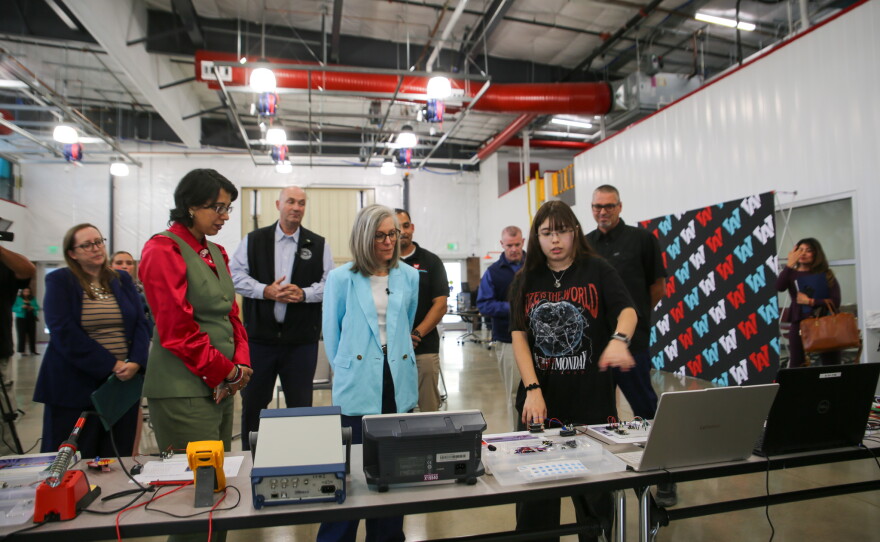
Rather, she made a stop in Wellton Friday afternoon to follow up on the Future48 Workforce Accelerator at the Arizona Western College Wellton Learning Center.
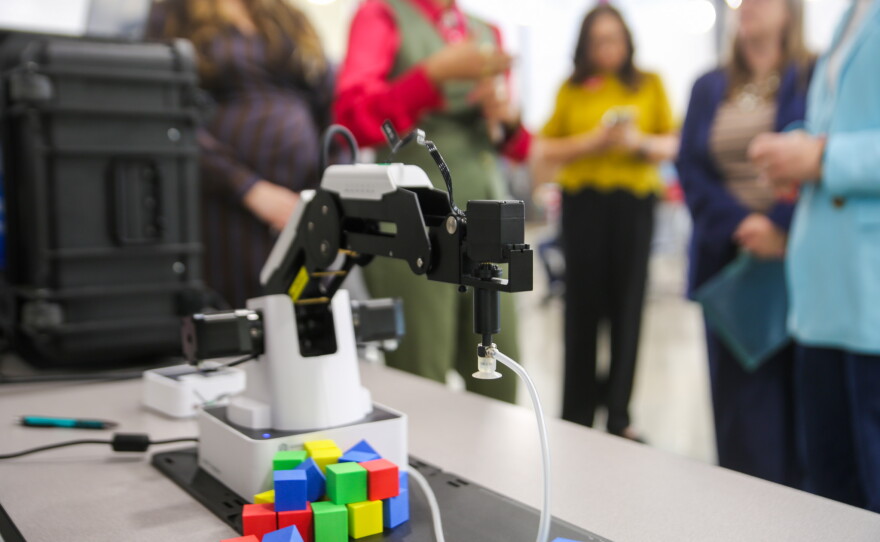
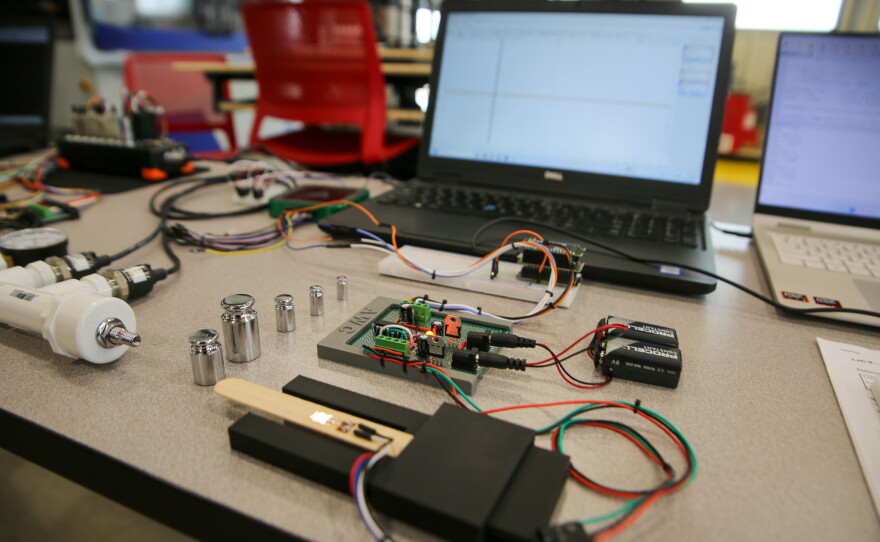
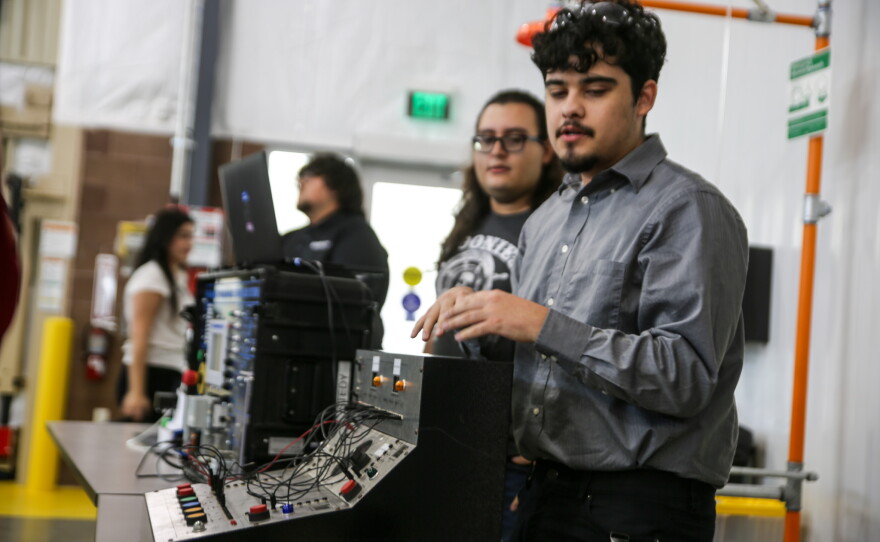
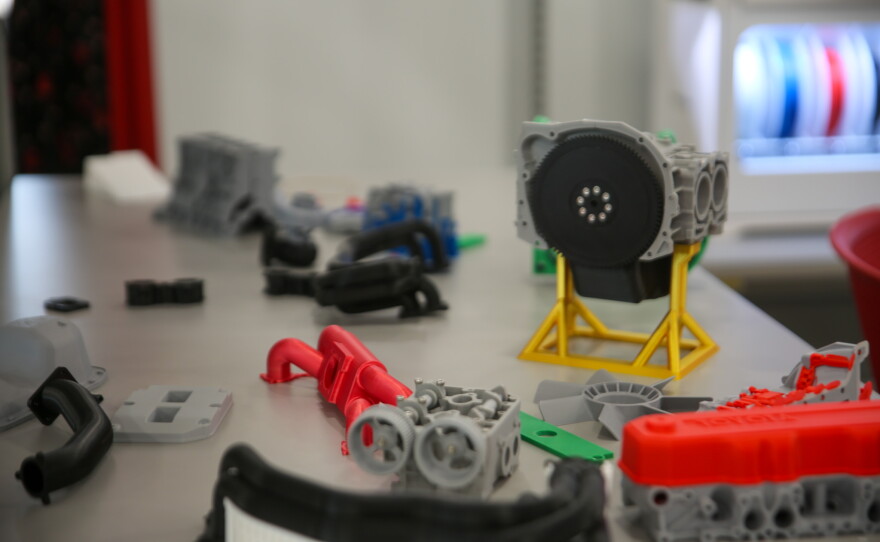
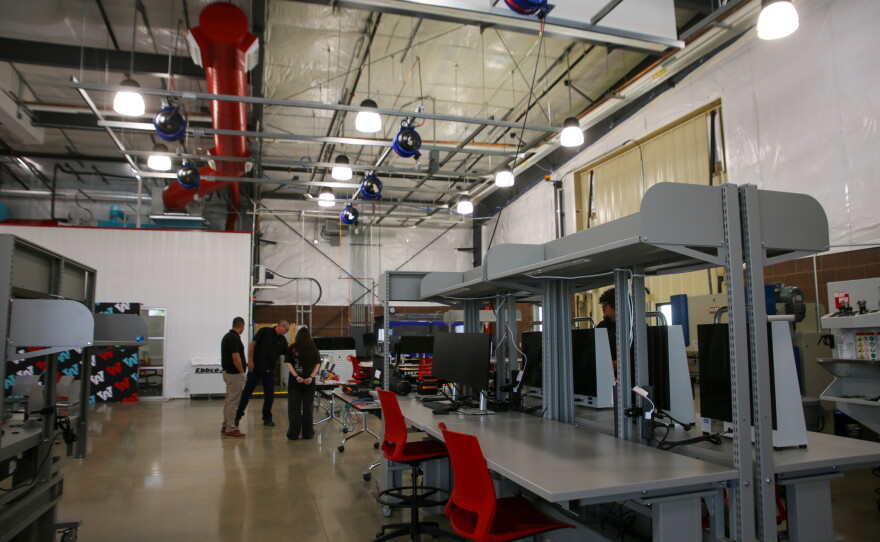
Hobbs cut the ribbon on the $3.6 million facility in May. As an investment from the Arizona Commerce Authority (ACA), the accelerator was developed to give students hands-on training in fields like electrical technology and advanced manufacturing.
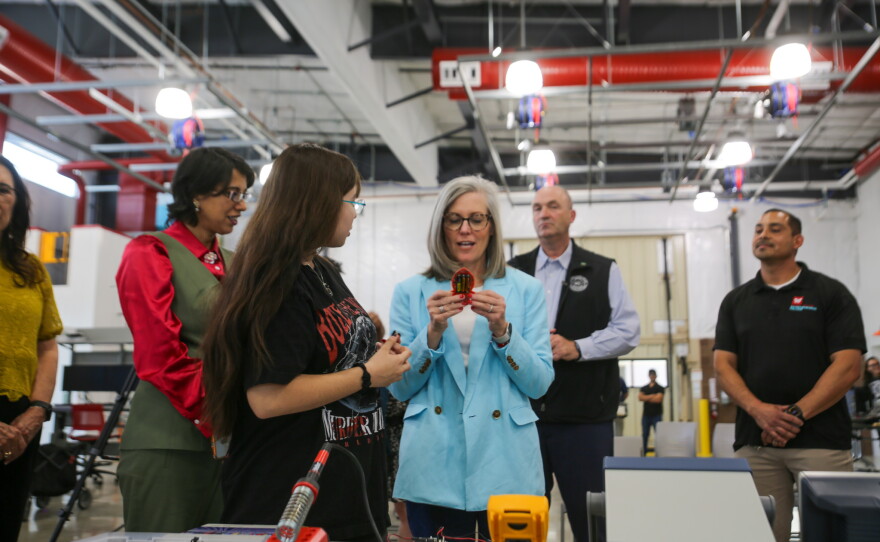
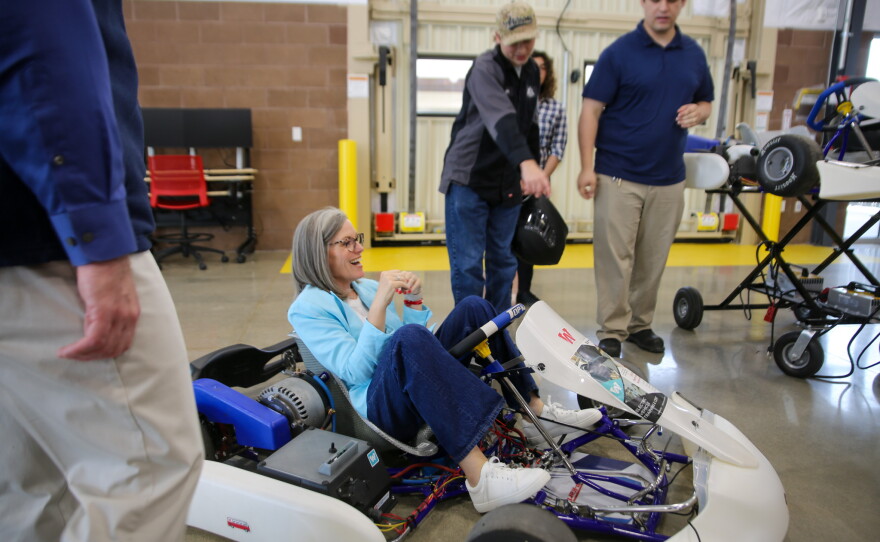
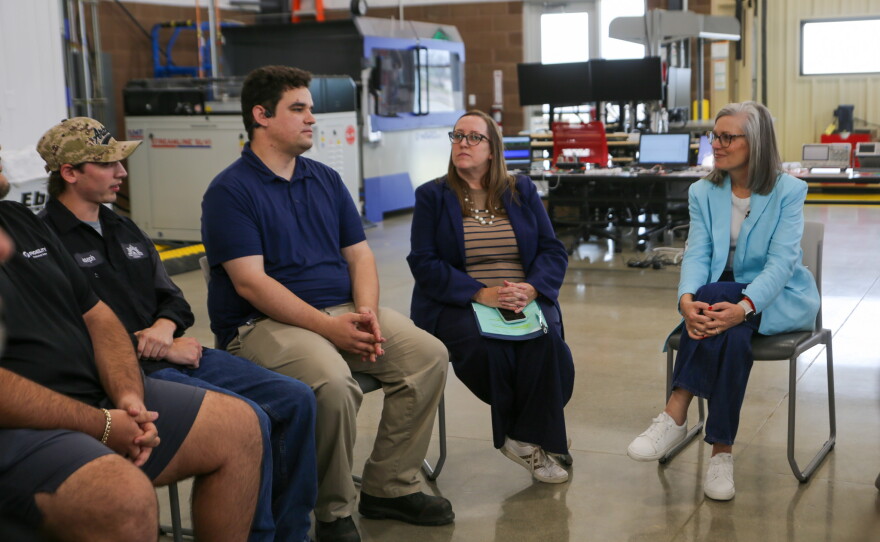
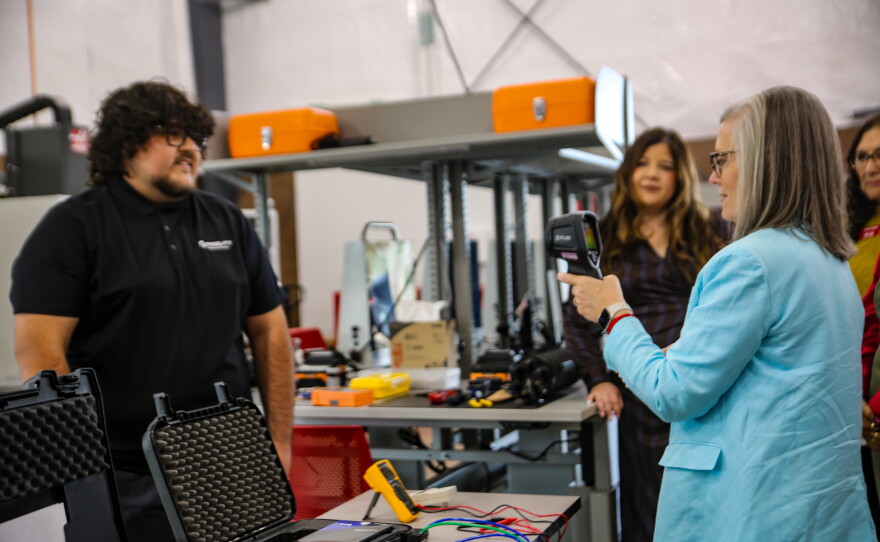
"I've done a lot of announcements about workforce accelerators, ribbon cuttings, and I want to say this might be the first time I've seen this much of a hands-on demo of it,” Hobbs said. “It's really cool to see it in action and hearing from the students that they are seeing the opportunity that’s open to them now.”
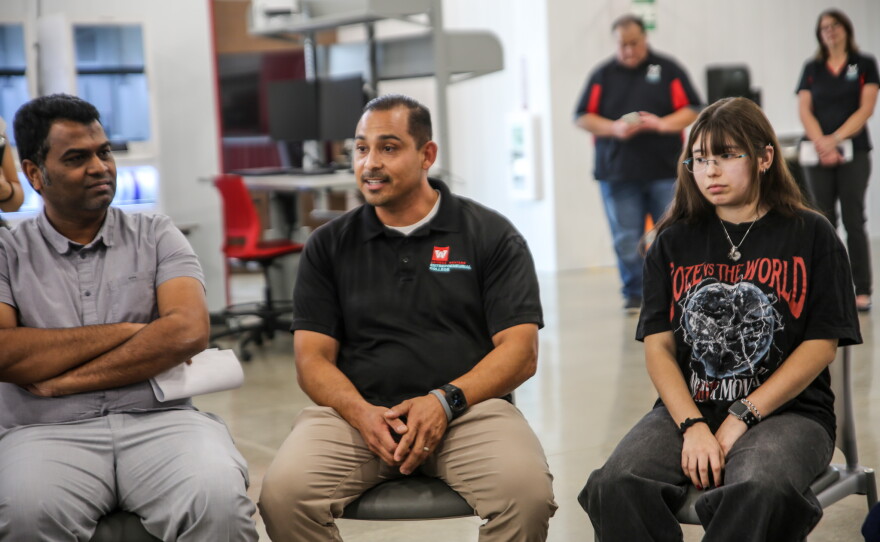
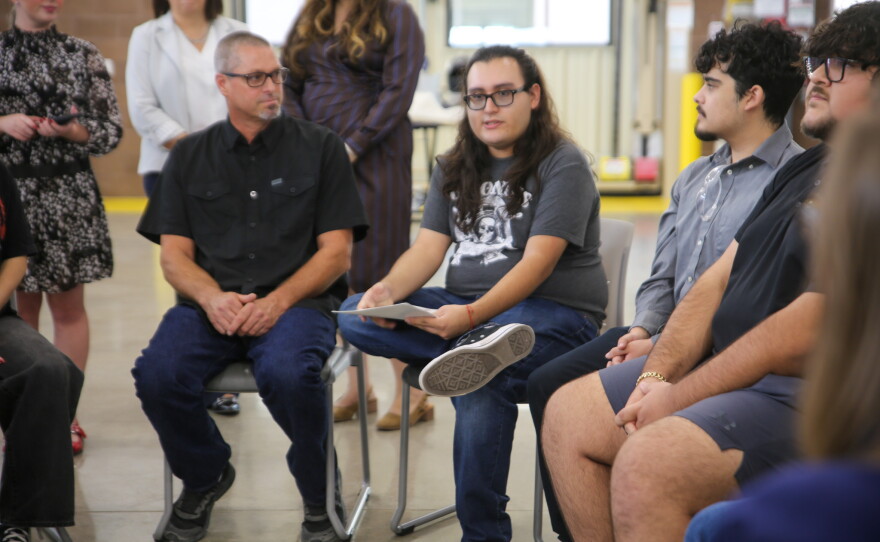
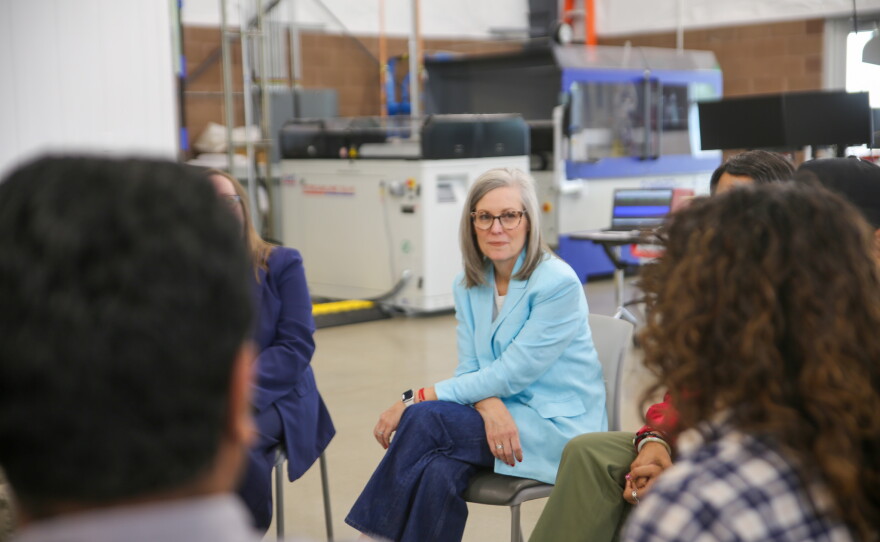
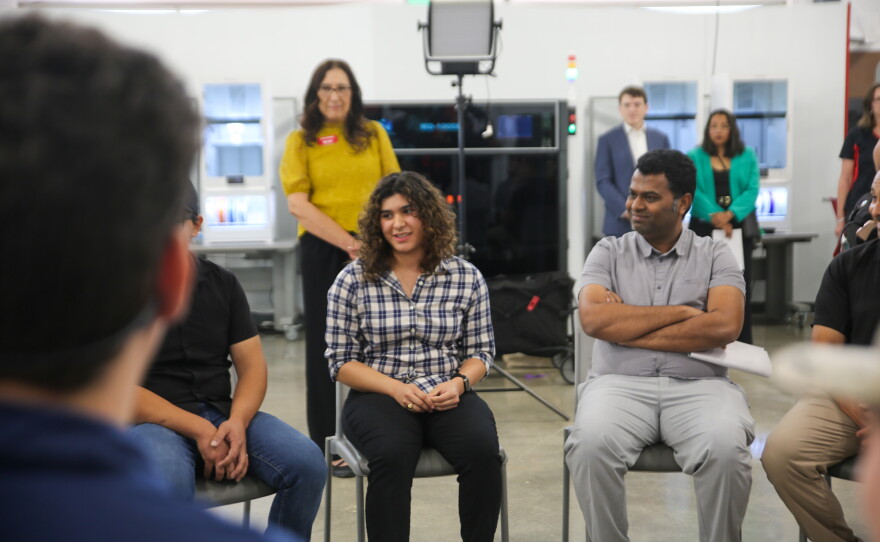
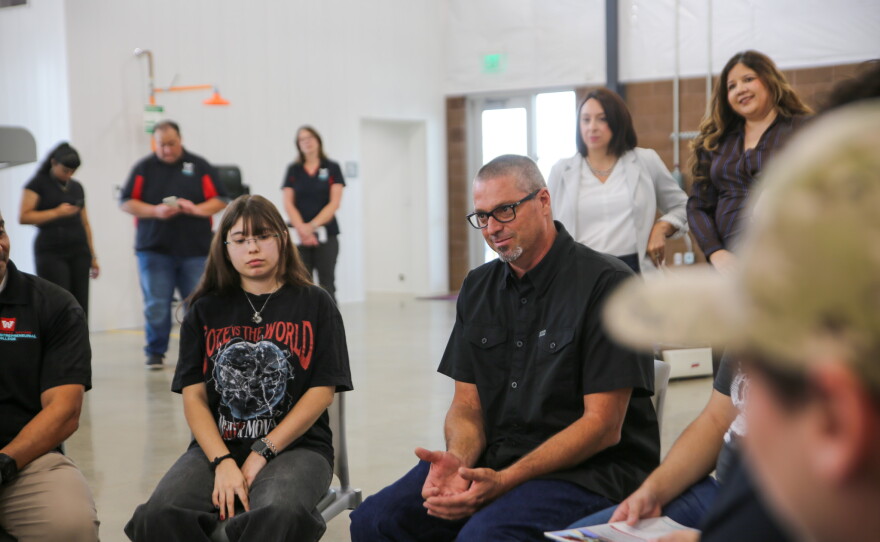
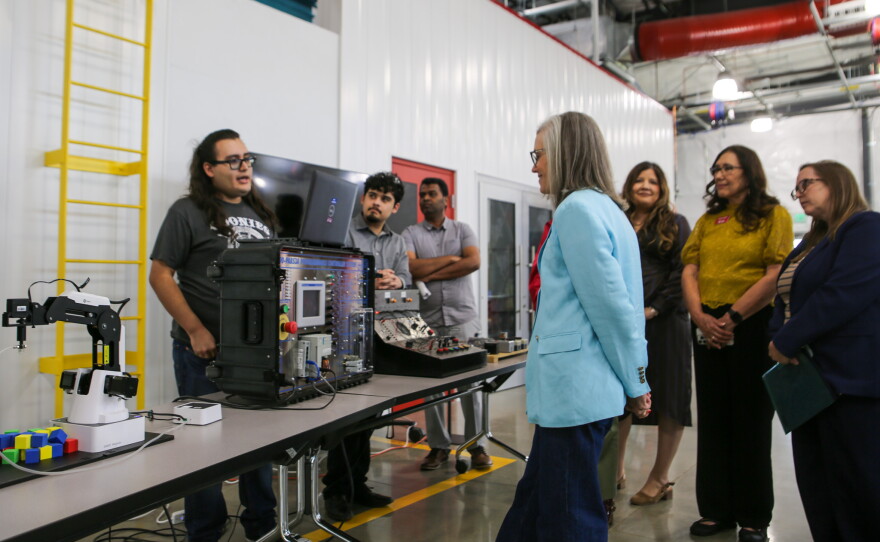
During her visit, Hobbs listened to students as they shared about the equipment they’ve been learning with, the material they’ve been learning and their hopes for the future.
"I heard from a lot of these students that they weren't really sure what they wanted to do,” she said. “They didn't know that these opportunities existed, and then they are part of this program and they see that. If you don't know about the opportunity, how do you take advantage of it? And so I think these are really the catalysts for helping that.”
New Career Possibilities
Jose Zapata was one such student.
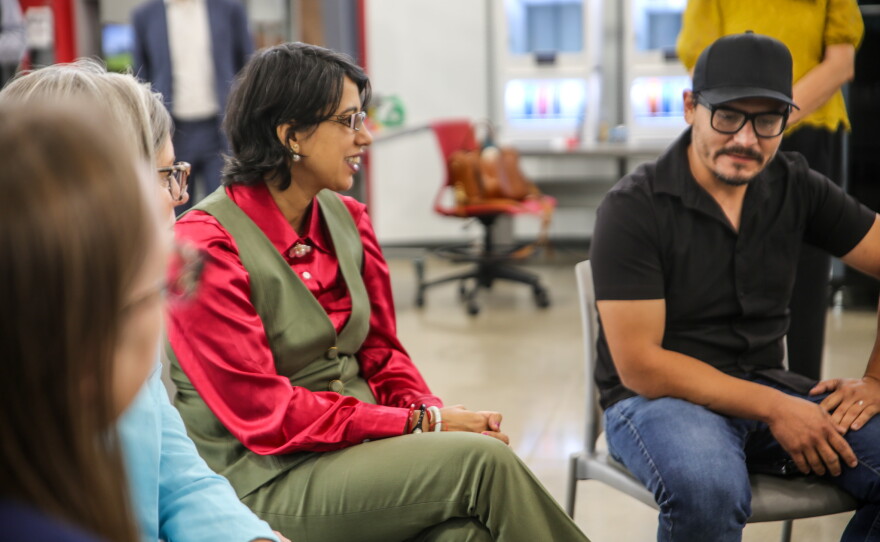
"My major was electrical technology, so I was kind of trying to go more for, like, electrician, but since after a couple months ago, since this was built, I started getting interest in the more manufacturing side and the PLC [programmable logic controller] program," Zapata told Hobbs in a student-faculty roundtable.
Another student shared in the roundtable that the accelerator has given them an opportunity to pursue their studies at home rather than having to leave for Phoenix or California.
That’s why the workforce accelerators partner with industry, Hobbs noted.
"When I talk to employers and leaders in a lot of our rural communities, a big challenge is that there's not necessarily opportunity — and so students leave,” she said. “They'll go somewhere else to get training and then they end up staying there and they don't come back to their community."
The investment from the ACA has been a major benefit for AWC, said college president Dr. Reetika Dhawan.
"For us, the struggle in Yuma, Arizona, for community colleges is ... the funding for community college is so limited and for the student to find the exact resources are limited,” she said. “And sometimes we buy one equipment a year, which puts us behind."
Dhawan explained that having resources like the accelerator are what’ll compel companies to partner with the college.
“We need companies to come to us and say, ‘Hey, I want to use this space. Let’s partner together,’” she said. “And that’s what we are hoping for from this space.”
Already, the college has seen some promising interest.
"We have multiple manufacturing companies coming here and they are interested in using our labs, and we are asking their feedback for the equipment and we hope that they use this space more," Dhawan said. "Even one of the companies from Taiwan is interested in being here and getting their employee trained fast-track from this facility, especially for PLCs, because it's very hard to find them machinists, fabricators so we’re going to try having those trainings here."
What the Accelerator Adds
Before the accelerator, the Wellton Learning Center was already focused on manufacturing training.
Sean Haney — who helped develop and teaches electronics and instrumentation at AWC Wellton — shared that these types of courses are essential for industries in Yuma.
“So out here with it being a desert environment and having the Yuma Proving Grounds out here, it's huge for this community,” he said. “... Having this type of education coming out of the college is awesome. So instead of doing all on-the-job training, we're able to teach some of the students to then hire for out at the proving grounds, and then we don't have to start from scratch.” He added that the college has also done remote teaching at Honeywell Aerospace in Phoenix to teach some of their employees.
So what does the accelerator add?
"I think one big thing is just having a lot more space, just to be able to do a lot of things," said Manuel Bermudez, one of the students who spoke with Hobbs.
In his experience, the accelerator gives students like him access to a lot of things that they wouldn’t have access to otherwise.
"I want to end up being a machinist once I’m done with school and having that is super important,” he said. “When I did it in high school, I did a little bit of machining and they just had virtual test benches that we work on, but actually having the mill, like in person, is really important just for learning in general."
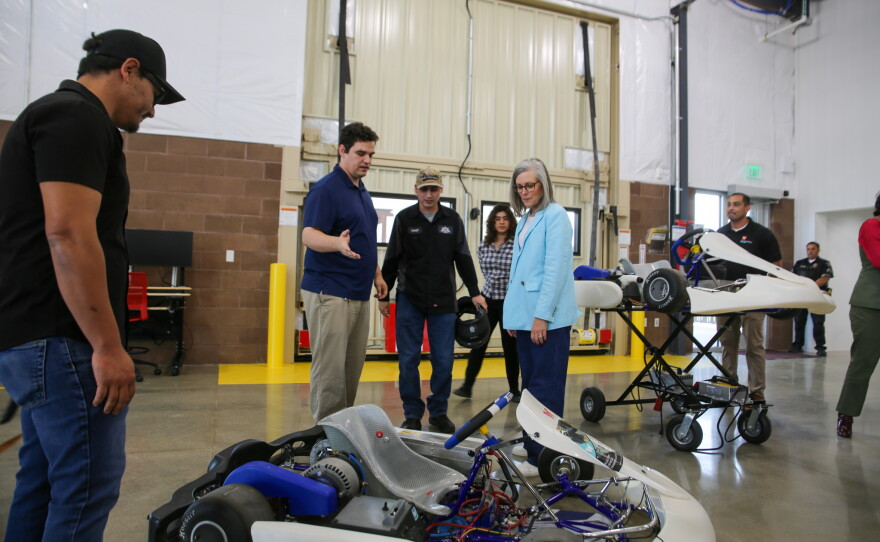
Another thing he noted was that the machines and equipment at the accelerator now are similar to what students will see in the field.
"I think it's really important just to prepare us for the job field to have things that are similar to what you're going to see out there,” he said. “And so you're not really shell-shocked when you eventually get out into whatever you decide to pursue."
In the future, he hopes the accelerator will attract more companies so that “they can actually come to train us up and then leave with some pretty capable workers."
What's Next for Wellton
Looking ahead, AWC Interim Director of Manufacturing Miguel Rios said that “there's gonna be more advanced manufacturing and industry 4.0. so pretty much modernizing all the manufacturing processes within the industry. So there's going to be a lot of trainings related to that."
Dhawan said to keep an eye on the accelerator.
"If you come within seven months to eight months, you're going to see this lab more equipped with advanced equipment,” she said.
Currently, she said the college is looking into more equipment and funding to support certification in semiconductors, PLC and advanced manufacturing as well as learning exploring how AI can be embedded in manufacturing.
In the meantime, Rios and Haney both hope the public will check out the programs currently available at the college.
Haney noted that student enrollment is sometimes a challenge, and that’s because it’s difficult to advertise courses with very specialized types of learning. Instead of spotlighting any one course, he recommended checking out the programs AWC’s Entrepreneurial College offers.
Rios, however, wanted to spotlight electronics.
“The work that's been put into it and the amount of effort and the dedication has really turned out to be a really great program,” he said. “I mean, it's exciting, but we need to have [the public] come out and check it out for themselves, right? We can promote it as much as possible, but until they come out here and try it for themselves, it's a whole different experience.”
Hobbs framed what she saw in Wellton as part of a broader approach to economic development.
"It's been a priority for me to really focus on workforce development in our more rural communities because I know a lot of times they're overlooked for opportunity, but we have industry growing right here," she said.
For Dhawan, the visit was also an opportunity for students to share their experiences and needs directly with the governor.
"It's not always about us as an administrator, but the student experience,” she said. “Student voice matters.”
And ultimately, Dhawan said Hobbs' presence helped reinforce something important for the students and their community:
"Even having her here boosts their confidence that we matter. Yuma, Arizona matters."
—
Reporting for this article is supported by a grant from the Arizona Local News Foundation.
Note: Arizona Western College is KAWC's license holder.


