






Many parts of the U.S. celebrated Indigenous People’s Day Monday, but efforts to preserve and pass down Indigenous languages and cultural traditions continue year-round.
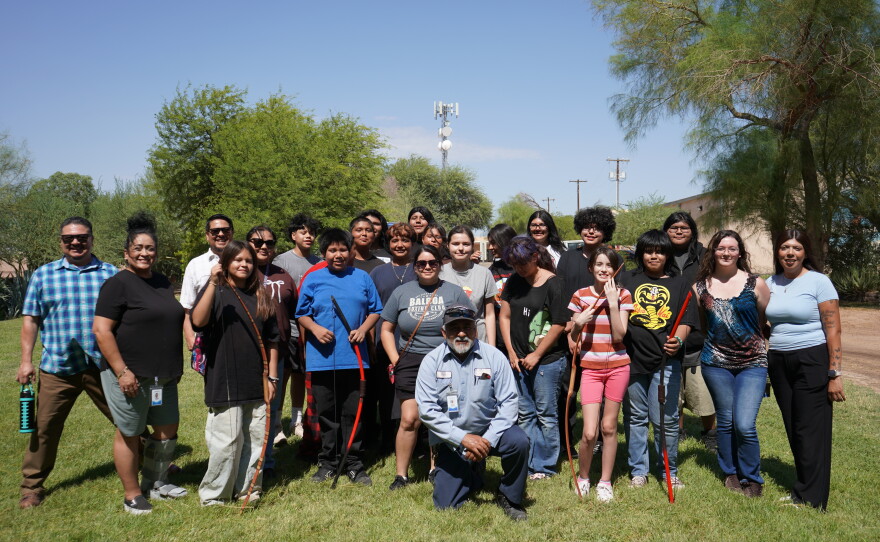
One example is the Cocopah Indian Tribe's annual Johnson O’Malley (JOM) summer program, which brought students together in July to learn about their language, history and culture.
JOM is a federal program that provides funding for specialized educational and cultural programming for American Indian and Alaska Native students. It originated from the Johnson-O'Malley Act of 1934.
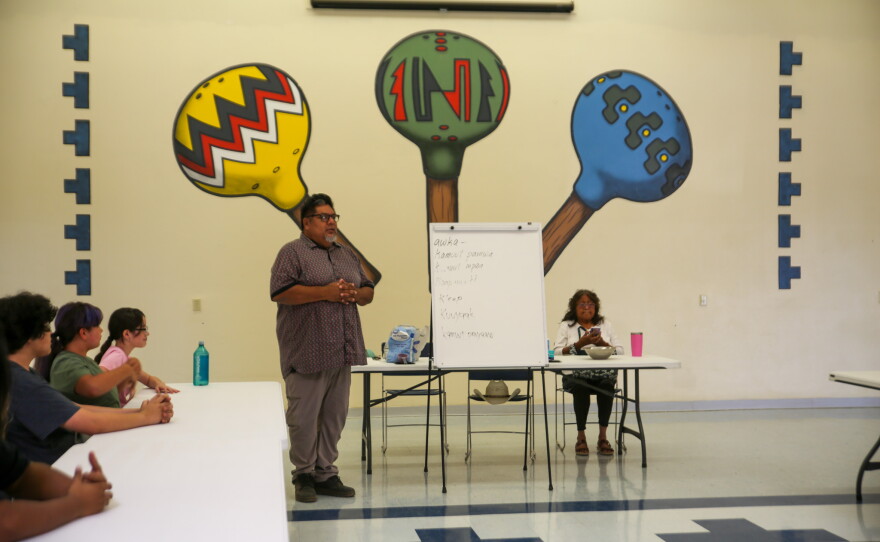
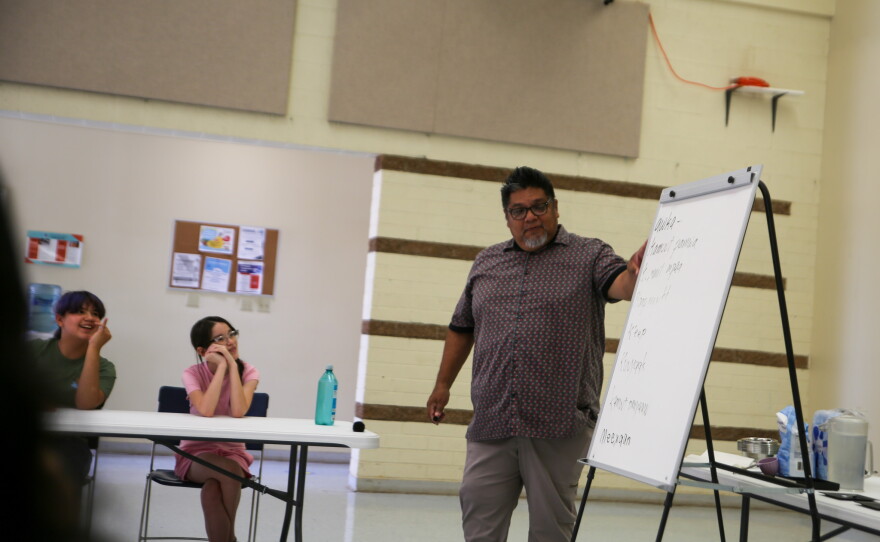
Joe Rodriguez, manager of the Cocopah Museum, explained he experienced the program when he was a kid. Although the setting and delivery have changed since, the learning continues.
“We hire teachers to do academics with the students and the other half of the day — or a portion of the day that they are here with us, we open them up to the culture with language,” he said.
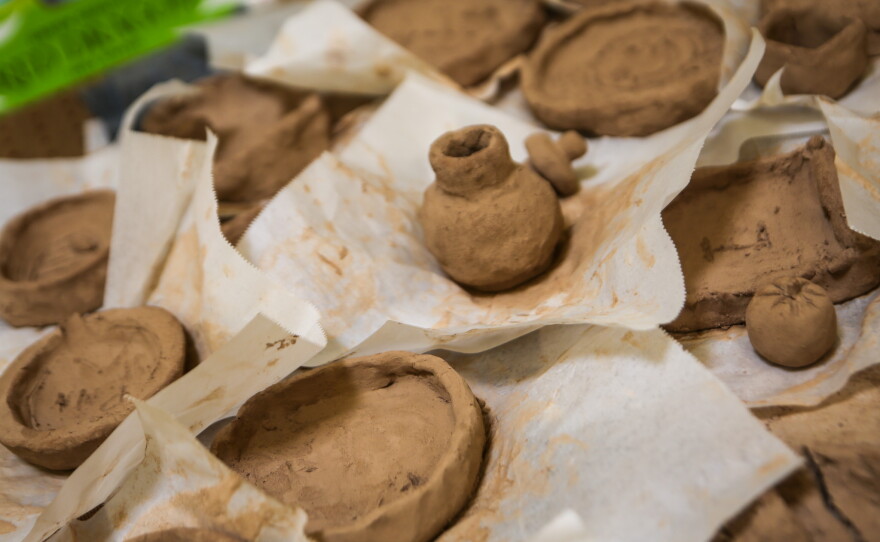
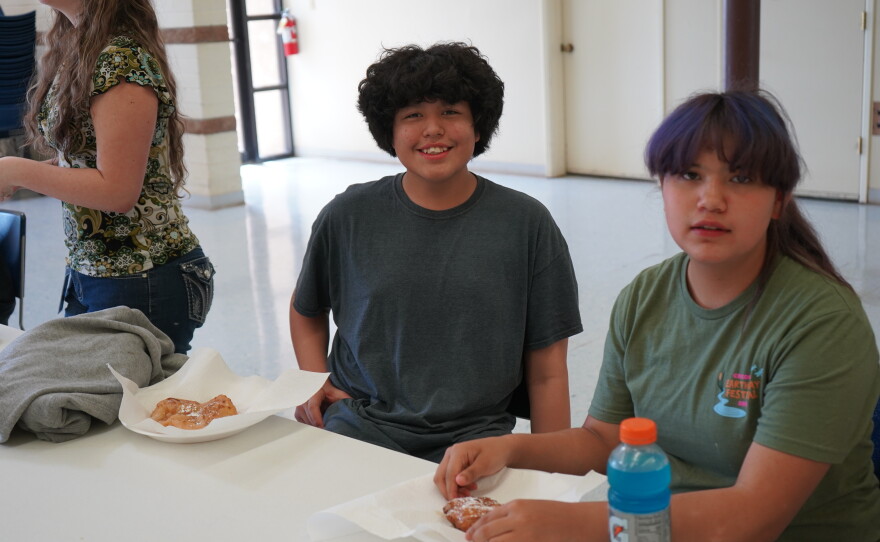
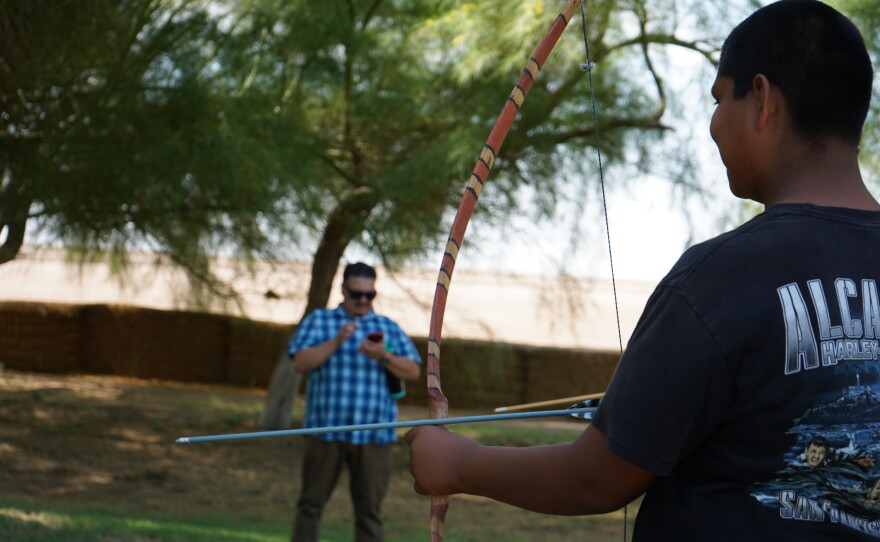
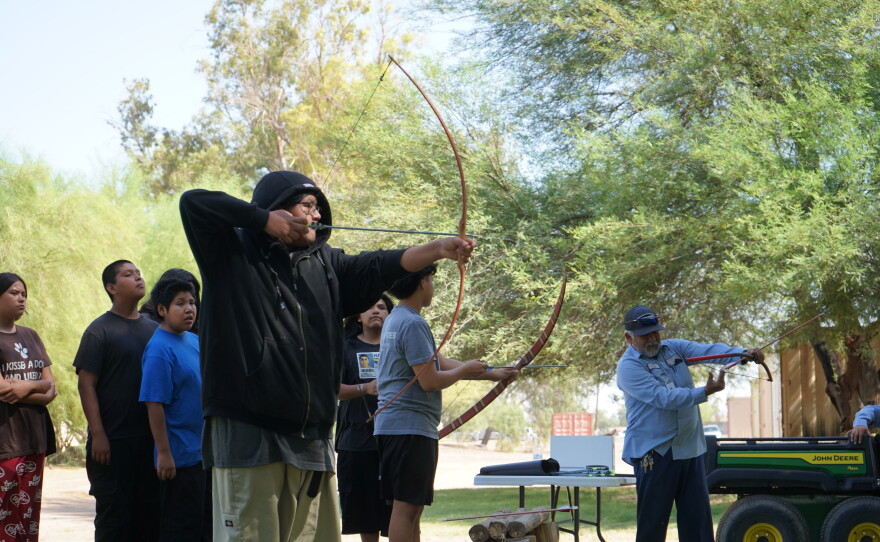
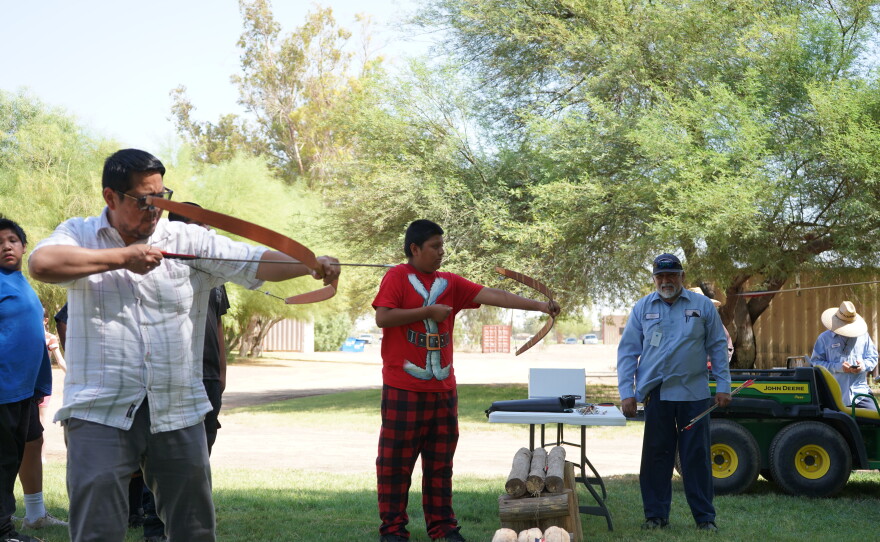
When KAWC visited in the summer, JOM students were working with food and pottery. Archery was on the schedule, too.
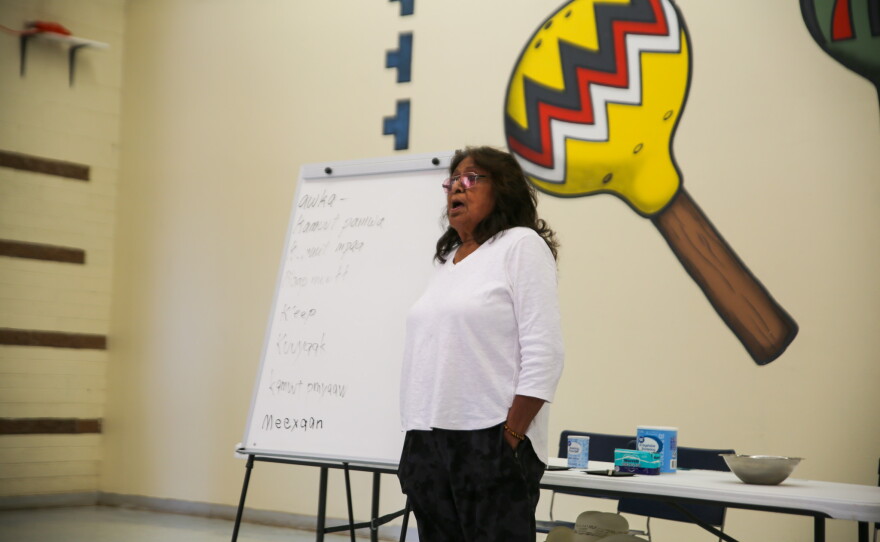
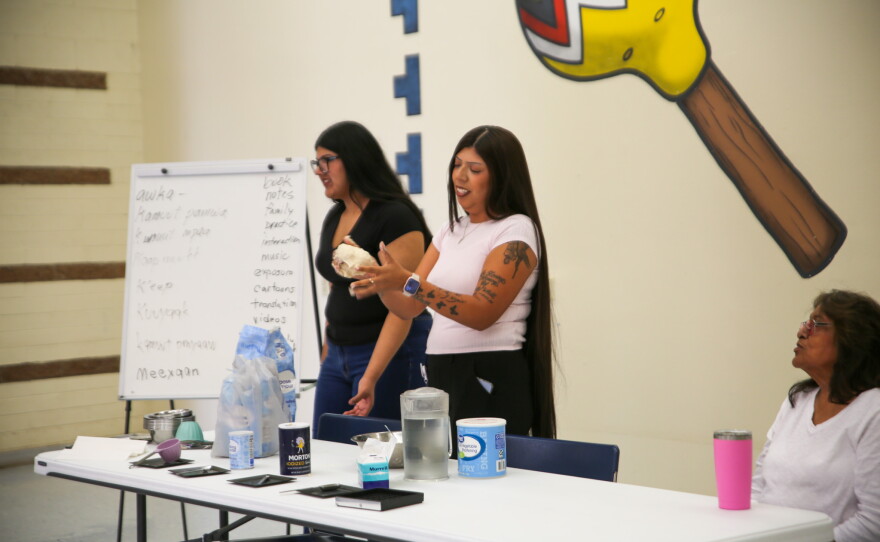
Alongside these activities, they also learned Cocopah from Paula Koolick, a Cocopah elder and a cultural specialist.
She taught them words like “awka,” which means “good morning,” and “kamuut pamwa,” which means “hi, how are you?”
“If a person is standing up, it's a different word: ‘kamuut mpaa’ And ‘how are you?’ When they're all — I'm talking to all the kids sitting down: ‘kamuut pmyaaw,’” she said. “And those are important to us, so therefore I have been teaching them so they can understand. Also, to listen and learn is ‘k’eep kuuyaak.’”
The effort was going well, she explained, but it was slowgoing.
“Some already know it and they're quiet, but a lot of them are struggling with it,” Koolick said. “But most likely the ones that I have taught in Head Start are the ones that know it now. There's about four out of 20.”
Koolick teaches Cocopah up to the college level, but she also teaches children in the Head Start program, which provides free learning and development services for children up to 5 years old. Starting that young is especially beneficial, she said.
"It is very important because we are losing our language and a lot of them — a lot of the parents do not speak Cocopah — so therefore, I have been teaching Cocopah a long time, and I've been doing this because that is my passion to teach what I know,” she said.
Today, some of Koolick’s students from Head Start are teens, and they’ll sometimes come up to her and speak a little Cocopah.
“I don't know if they know any more than that, but it's awesome,” she said. “It's awesome to see kids on the street and not knowing who they are that speak Cocopah to me.”
Although it gives her hope, Koolick said the Tribe still needs to have classes so that youth can continue to learn.
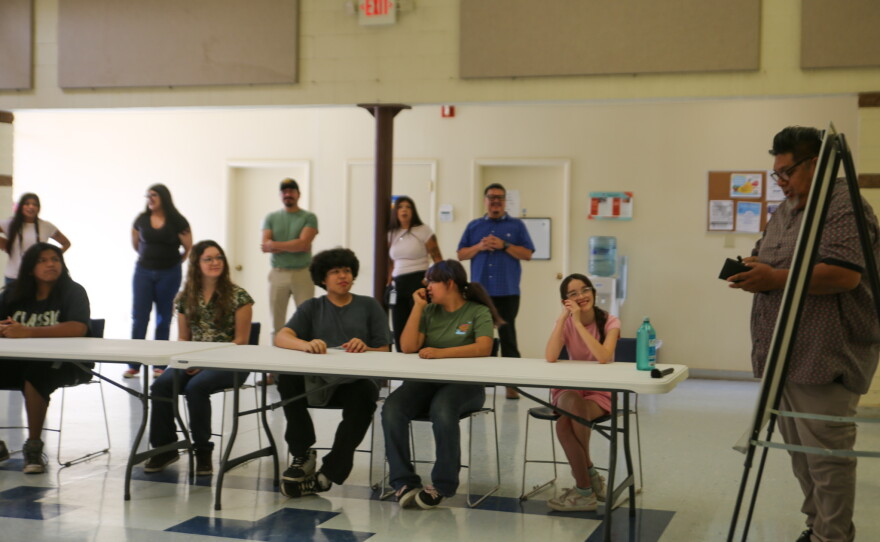
When KAWC visited the JOM summer program and observed Koolick prompt students with words, she hadn’t been getting a lot of answers back.
“I mean, the words to say is, like, easy, but to remember it is hard,” said Layla Salazar, one of the kids participating in the program. “I wanted to raise my hand, but I was too scared.”
Robbie Francisco, another student in the program, said he was shy but success also depends on the individual.
"It depends on what type of people you are,” he said. “If you're a slow learner, then it's going to be hard for you or you're a fast learner. I’m here and there.”
Despite that, kids like Liam Massey remain interested in learning.
“I feel like the language is more important because I never really got to, like, learn any languages or got into them,” he said. “But I'm trying my best to focus on the languages. [It’s going] quite well, but sometimes I just forget."
Language lessons are just one part of JOM, however. The summer program includes two two-week sessions — one for younger students and another for older students.
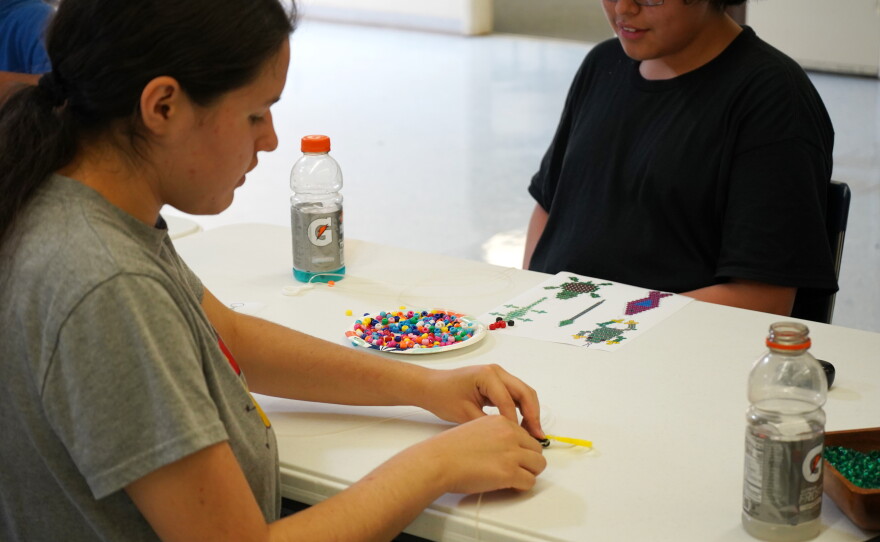
The older students learned about their Tribe’s history and traditions through activities like beading, pottery, drawing and archery.
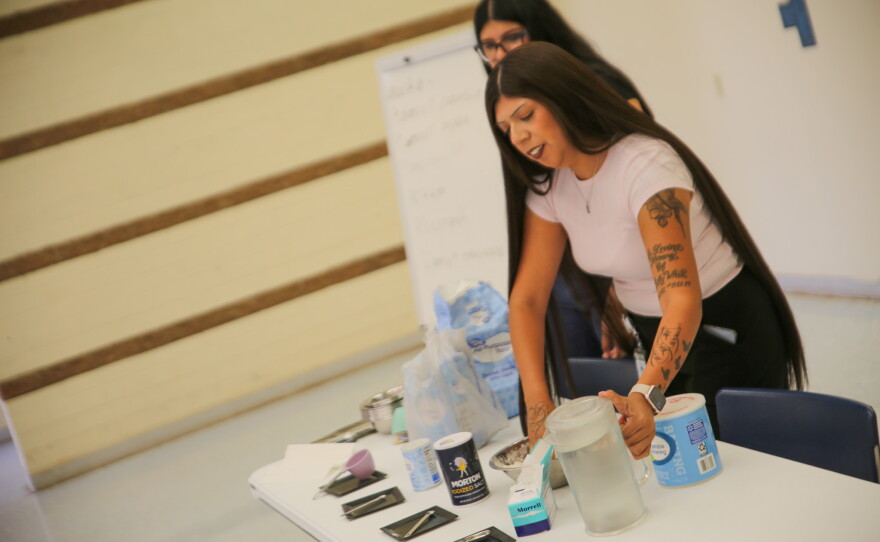
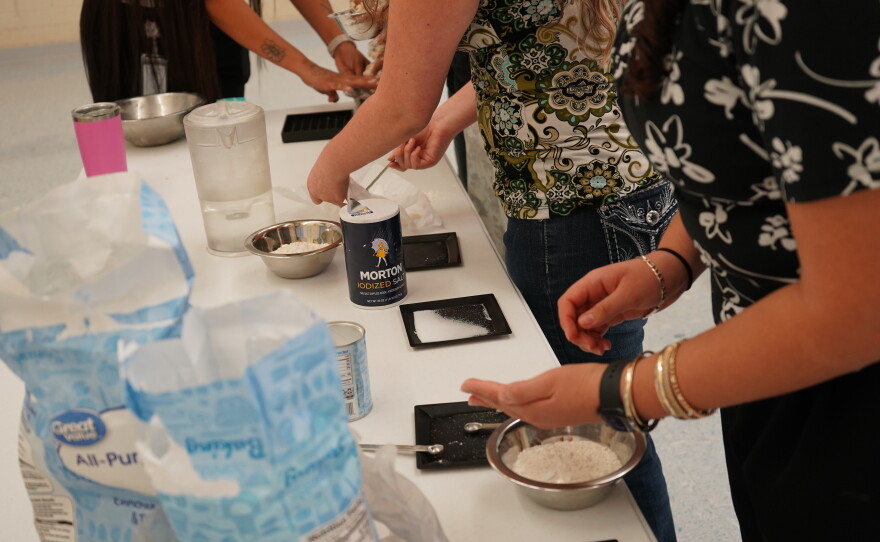
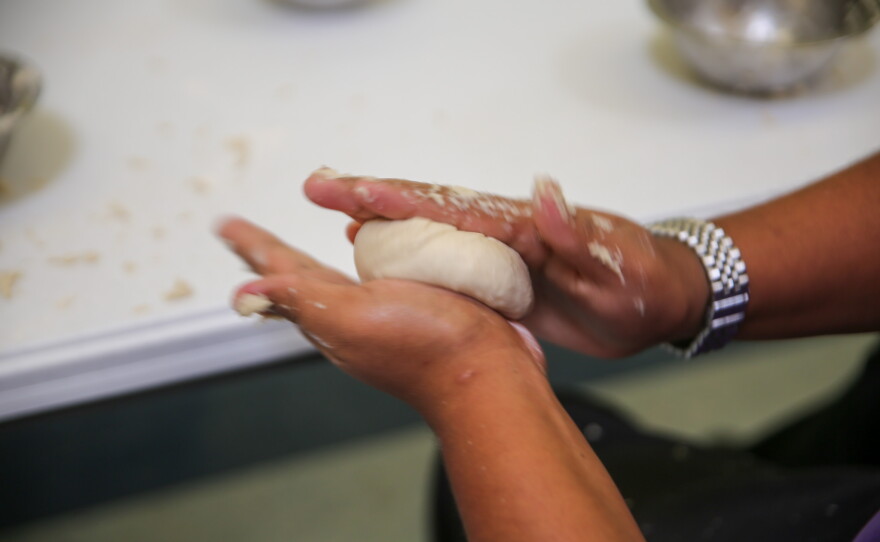
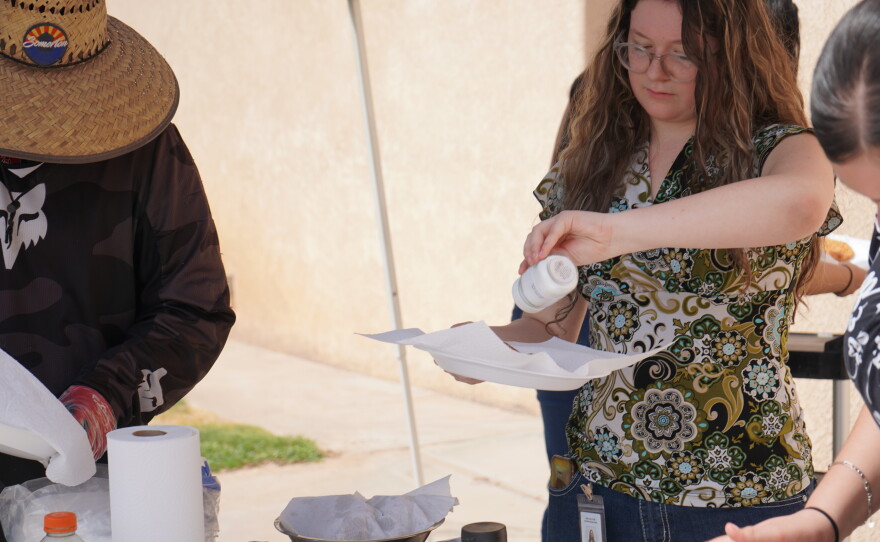
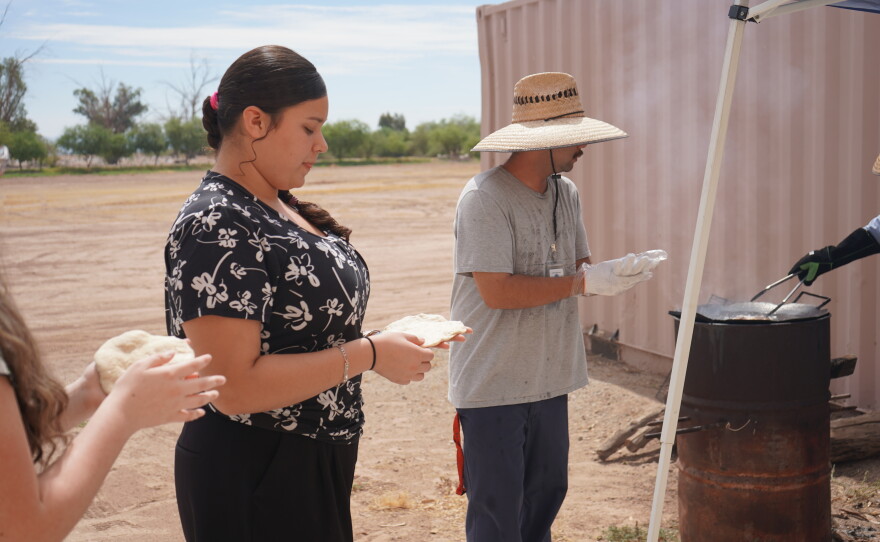
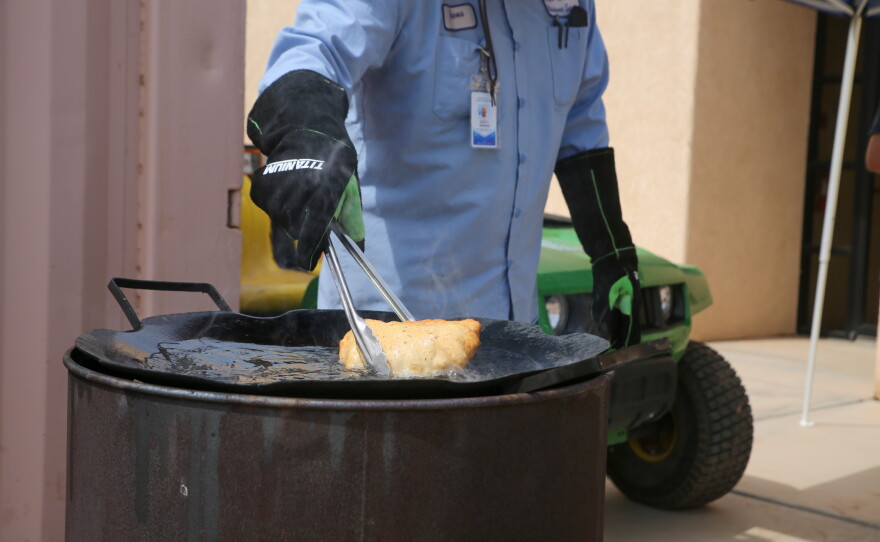
When KAWC visited, students followed their language lesson by learning to make authentic frybread, a food with a history rooted in Native American survival.
Salazar shared that getting the dough just right was part of the fun.
“Like it was kind of sticky to handle, but it was actually fun cooking it!” she said.
Francisco recalled that a long time ago when he was younger, the JOM program had kids grow their own crops and they’d eat them once they were ripe — a lesson meant to recreate life from long ago.
For Izaiah Long, one of the most interesting parts of JOM today has been learning about Cocopah life in those days.
“We've been learning how the people used to survive back then and what they made and what they did for entertainment,” he said.
One of his big takeaways?
“I think what makes Cocopah is, like, the culture and the people behind it,” he said. “What those people created — the music, art, the traditions, the food.”
Answers like that are exactly why Joe Rodriguez said passing these traditions on to younger generations matters.
“Maybe one day, somebody's going to say, ‘No, I'm not going to do this.’ That happens and years go by and years go by, and then we start to realize: ‘Hey, there's no more singers. There's no more dancers.’ They’re just people and without a culture,” he said.
Rodriguez explained that in order to be a tribe, they need things to define them.
“To be a tribe, we have to have the culture,” he said. “We have to have the language. We have to have the foods, singing, dancing — all of that. That's what defines us … And we know that if that goes, then what are we anymore?"
The hope, he said, is to pique students’ interest, not twist their arms.
"We want them to be on their own to say, ‘You know what? I need to really make an effort to do this for myself, make the effort to learn the language, make that effort to pick up on the culture, and cook or whatever,’ and have that inside, that internal desire … to keep it going in their own personal lives,” he said.
The message wasn’t lost on this year’s JOM participants. As Robbie concluded, programs like Johnson O’Malley exist “to keep our tribe alive, besides letting it be extinct."
—
Reporting for this article is supported by a grant from the Arizona Local News Foundation.


